
NEW YORK—Iris, the new cloud-connected camera control platform, has officially launched with features that turn virtually any PTZ camera into a software-connected, remotely controlled device and eliminate such traditional constraints as hardware dependencies, inconsistent control and the lack of on-site crews.
The company said that the platform is designed to remove longstanding pain points for production teams: fragmented control tools and protocols across brands, the need for constant manual adjustments and the inherent limits of on-site equipment and staffing.
Iris changes this by providing universal, browser-based control that works across camera brands and enables full production management from anywhere in the world, the company said.
In addition, the platform’s AI-powered automation is designed to handle traditionally manual tasks, like real-time subject tracking and framing, allowing operators to focus on creative decisions rather than technical adjustments. Its intuitive interface ensures that non-technical users can achieve professional results, democratizing access to advanced capabilities that deliver the production quality of larger-budget operations, the company said.
Organizations can also use Iris to scale up without proportionally increasing their costs or crew size, the company said. A single operator can manage multiple cameras across multiple locations, while remote teams collaborate in real time as if they were in the same room. This scalability opens doors to productions that were previously impractical or impossible, from small community theater livestreams to global corporate events spanning multiple time zones.
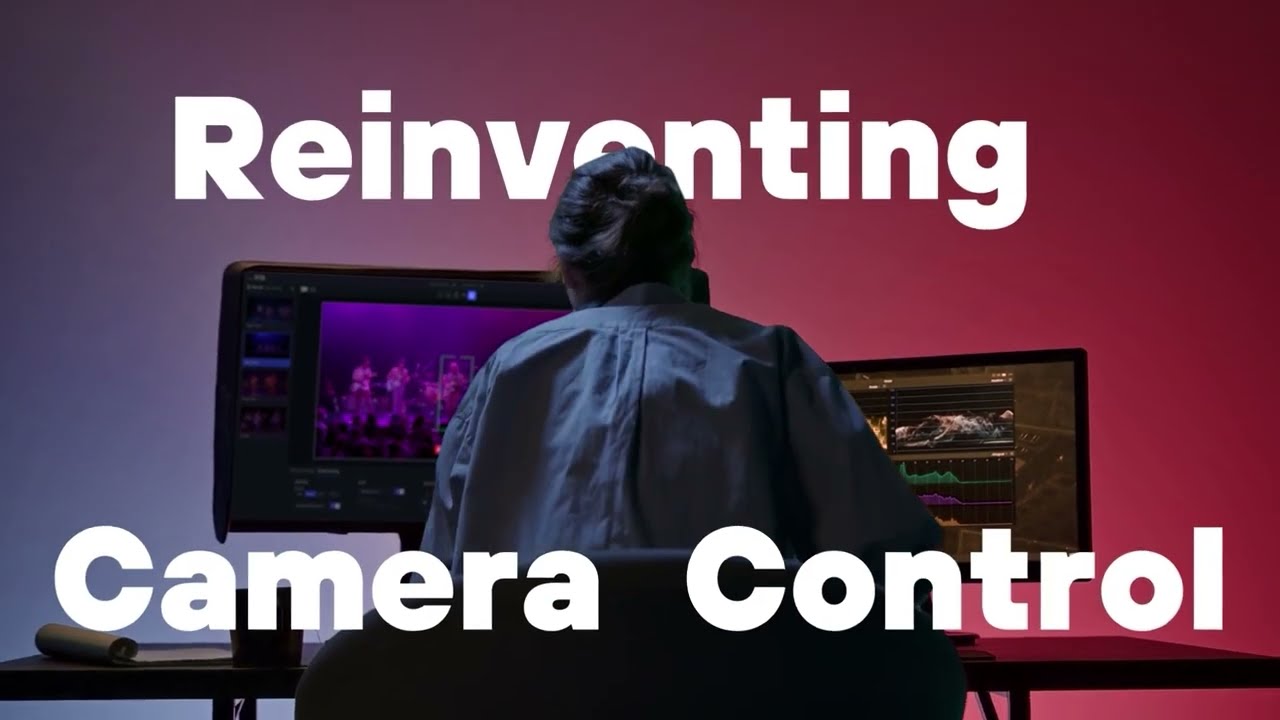
More specifically, the Iris desktop application allows production teams to quickly discover, link to, and control over 300 camera models on their local network. For those using Iris-enabled cameras, the platform is built directly into the device’s firmware, connecting instantly to the cloud without any additional hardware or complex setup.
This direct-to-cloud capability debuts alongside broad support from leading PTZ camera manufacturers, including AIDA, BirdDog, Bolin, BZBGear, Everet, HDKATOV, Lumens, Marshall, NEOiD, Telycam, and Z CAM. Together, these integrations position Iris as the leading software standard for camera control.
“Setup now takes minutes, not hours,” said Noah Johnson, founder of Iris. “Our custom drivers unlock every camera feature—not just the common ones—and our intelligent framing tools make operating cameras feel natural, fast, and cinematic. And because Iris lives in the cloud, your cameras are now truly remote—you can manage, access, and control them from anywhere, anytime.”
As part of the launch, the company highlighted several possible use cases. Houses of worship can empower volunteer teams to deliver professional-looking livestreams using automation and visual effects. Educational institutions can manage cameras across lecture halls with a centralized, remote-control room. Corporate teams can produce executive communications and all-hands meetings across multiple offices. Media producers can collaborate in real time across locations for seamless productions. With Iris, even remote interviews become effortless: Ship a camera, plug it in and instantly access the video and controls in the Iris account.
The Iris platform is available at tryiris.ai for content producers to begin connecting cameras immediately.

