
PORTSMOUTH, N.H.—A new study finds the long-term rise in ad acceptance continues, with ad intolerance falling to a record low across all age groups, and that viewers are supportive of AI tools if they are used to improve discoverability and the viewing experience.
In particular, Hub Entertainment Research’s semi-annual "TV Advertising: Fact vs. Fiction" study found that Gen Z viewers are more accepting of ads when they help reduce the cost of streaming services. Younger viewers also place a higher value on ad relevance and are more open to targeted ad experiences even though they are more likely to be multitasking and potentially distracted while watching TV.
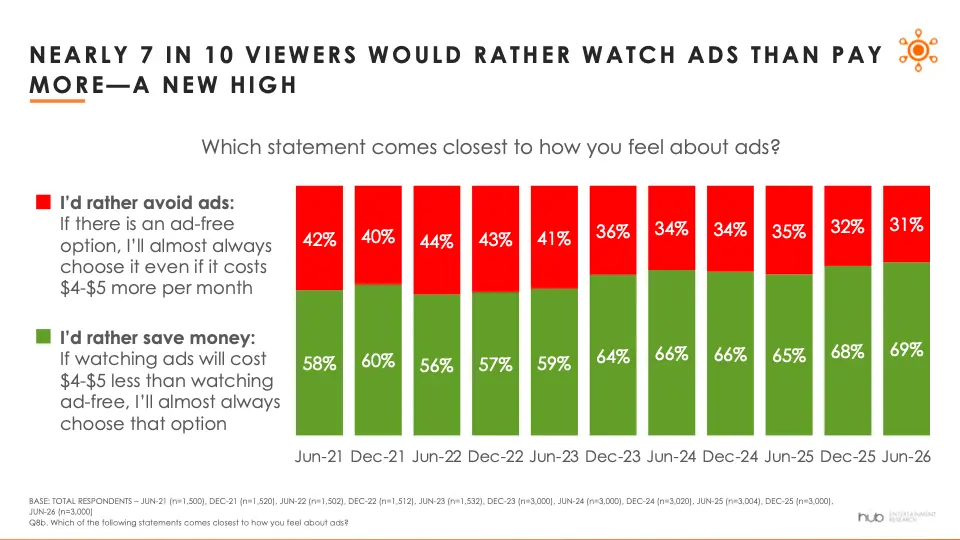
Overall the study found that ad acceptance has reached a five-year high. As subscription prices have risen and ad-supported options have proliferated, the numbers of viewers who would pay to avoid ads, and the number who say they cannot tolerate ads are at all-time lows.
Just under one third of viewers expressed a preference to pay an extra $4-5 dollars per month to avoid ads.
“In the past few waves of this TV Advertising study, we’ve seen viewers concerned with costs and the general direction of the economy,” said Mark Loughney, senior consultant at Hub. “Those concerns have led to more viewers looking for ways to reduce costs. The TV advertising marketplace stands to benefit from consumers’ increased openness to advertising as a means of saving money on subscriptions. If streamers can continue to use tools at their disposal to make the ad experience better by including AI, it’s a win for both them and their viewers.”
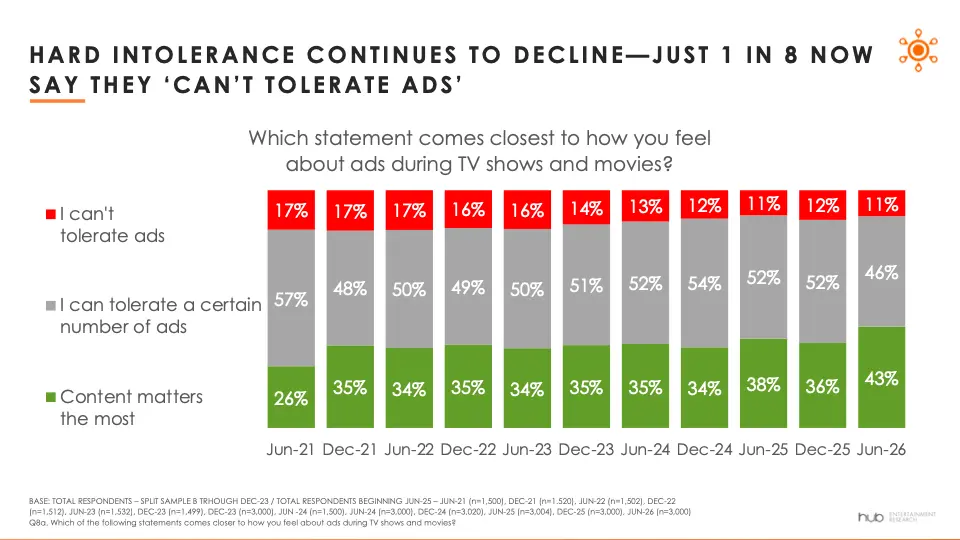
At the same time, in the most recent wave, only one in ten viewers said they “can’t tolerate” ads.
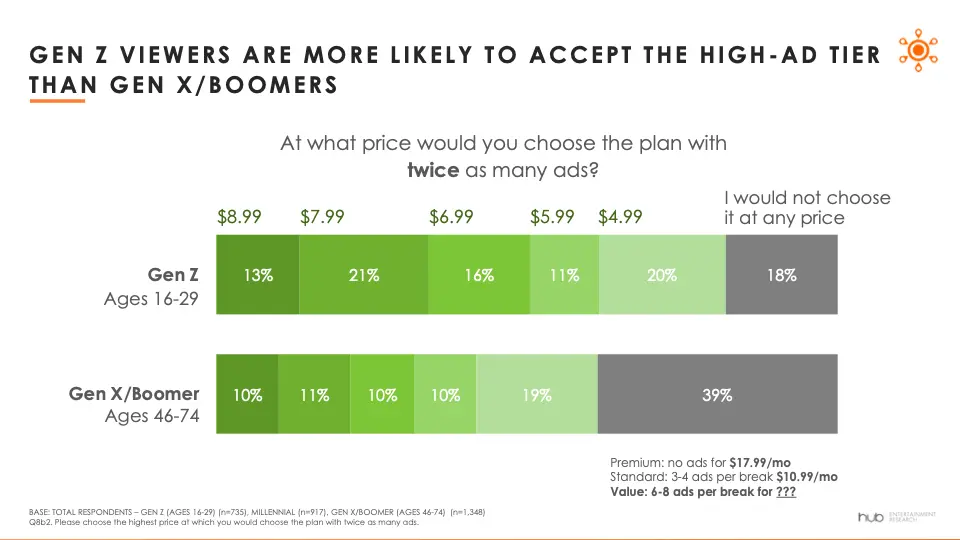
When presented with a higher ad load in exchange for lower subscription costs, Gen Z viewers are significantly more likely than older audiences to choose savings over fewer ads.
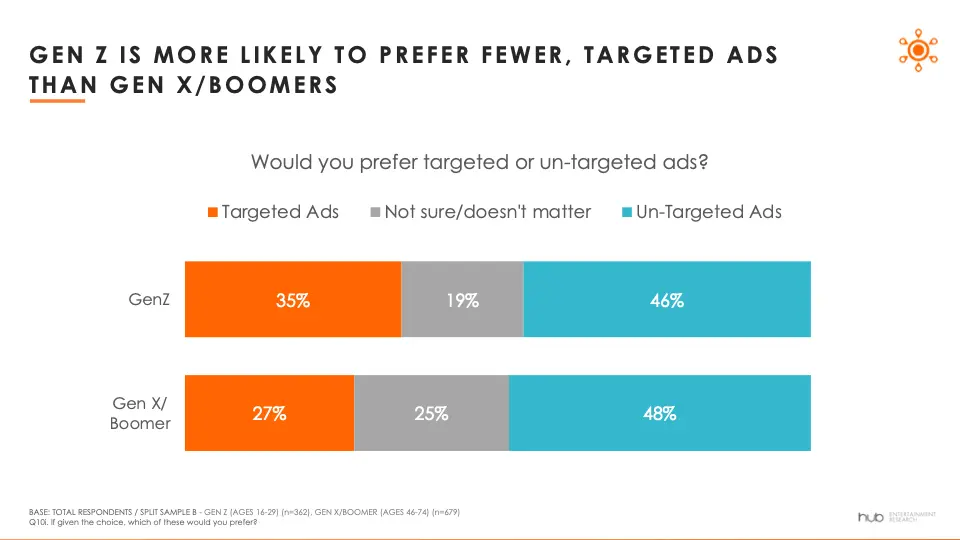
Gen Z viewers are more likely to prefer fewer, but more targeted ads.
Just over a third of Gen Z viewers say they would prefer to see fewer ads that are targeted to them, significantly higher than older viewers.
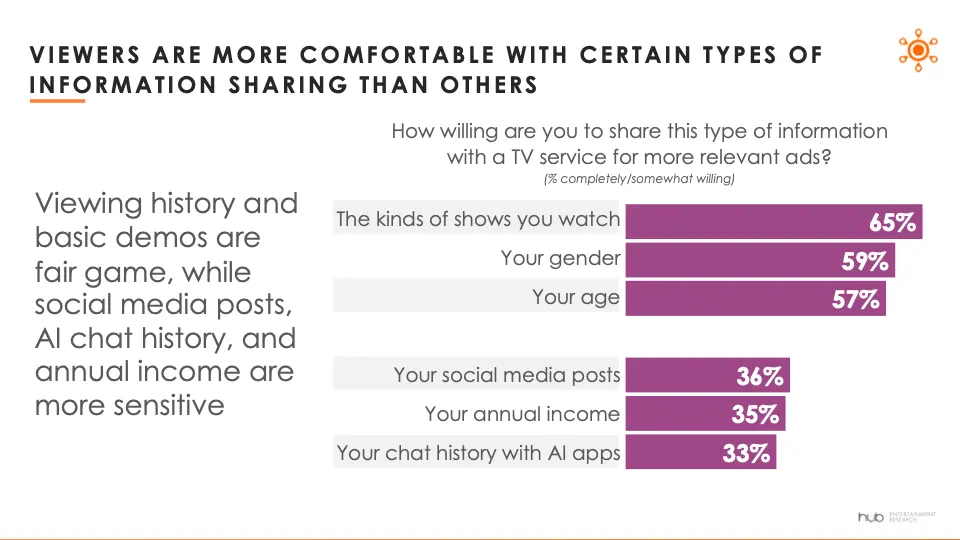
Among all viewers, comfort levels vary significantly depending on the type of data used for ad targeting. Audiences are most willing to share information related to their viewing habits, as well as basic demographic details such as age and gender. In contrast, there is considerably less willingness to share more personal information, including social media activity, income, and AI chat history.
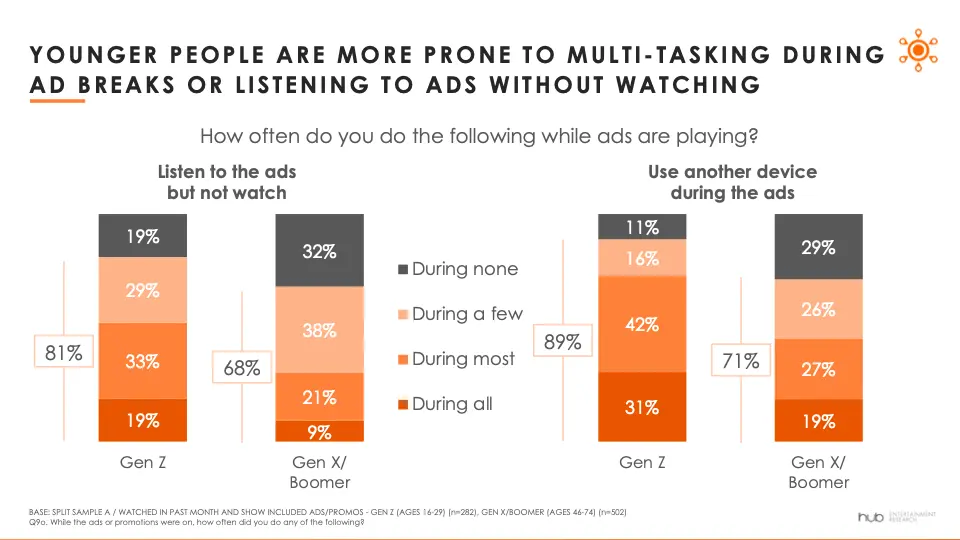
Although Gen Z viewers are more likely to multitask during ad breaks, they remain aware of the ads that play.
Nearly all Gen Z viewers report using another device at least occasionally during commercial breaks – significantly more than Gen X and Boomers. The good news for advertisers is that despite this divided attention, eight in ten say they continue listening to ads while engaging with other screens.
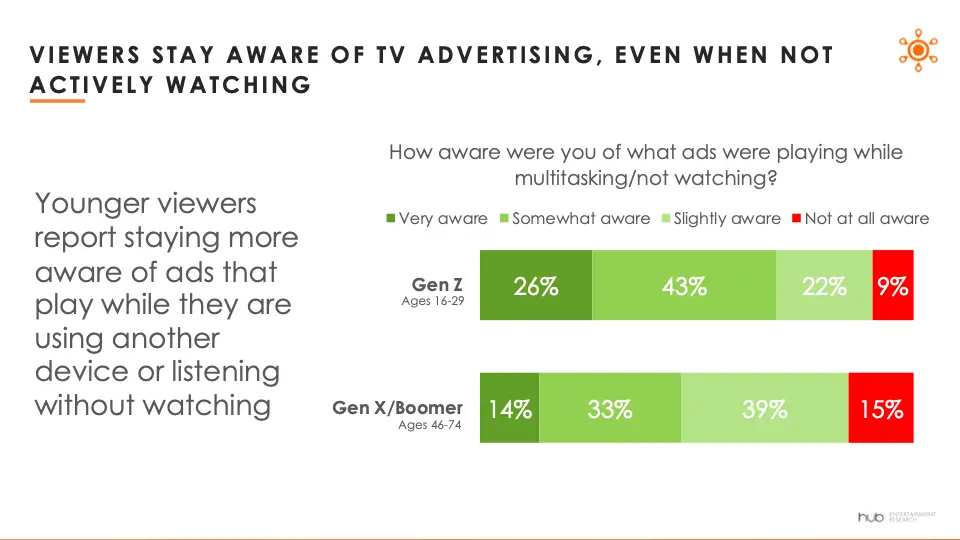
As a result, Gen Z viewers are more likely than Gen X or Boomers to report that they are aware of TV ads during breaks.
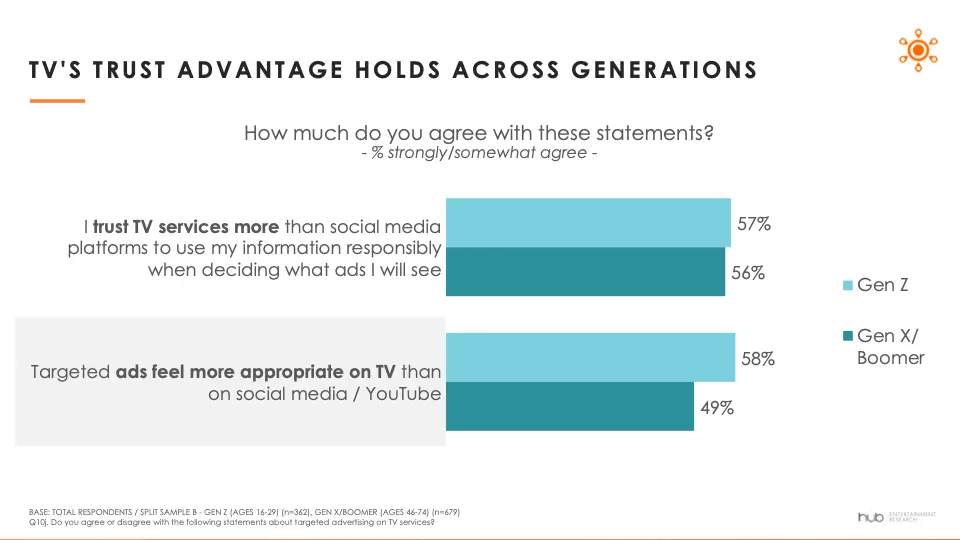
Across all ages, TV advertising holds a trust advantage over social media when it comes to the use of personal data, with older audiences expressing higher levels of trust.
The majority of Gen Z, Gen X, and Boomer viewers believe TV services will be more responsible than social media platforms in using personal data for targeting. In turn, the targeted ads viewers see on TV feel more appropriate than those that appear in social media.
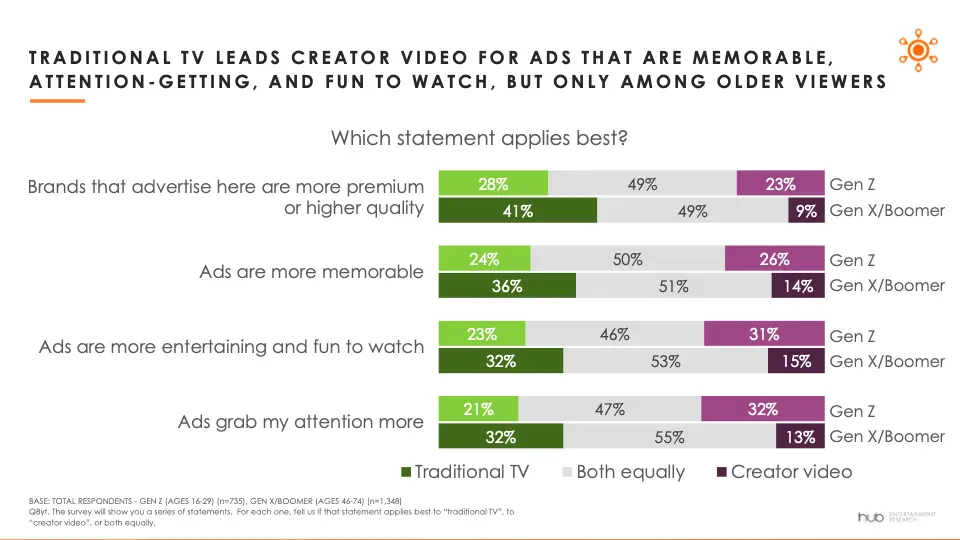
However, when it comes to ad impact, TV ads deliver better for older viewers. Gen X and Boomers are more likely to say TV ads are more memorable, attention-getting and fun to watch, while Gen Z viewers rate TV and creator videos equally.
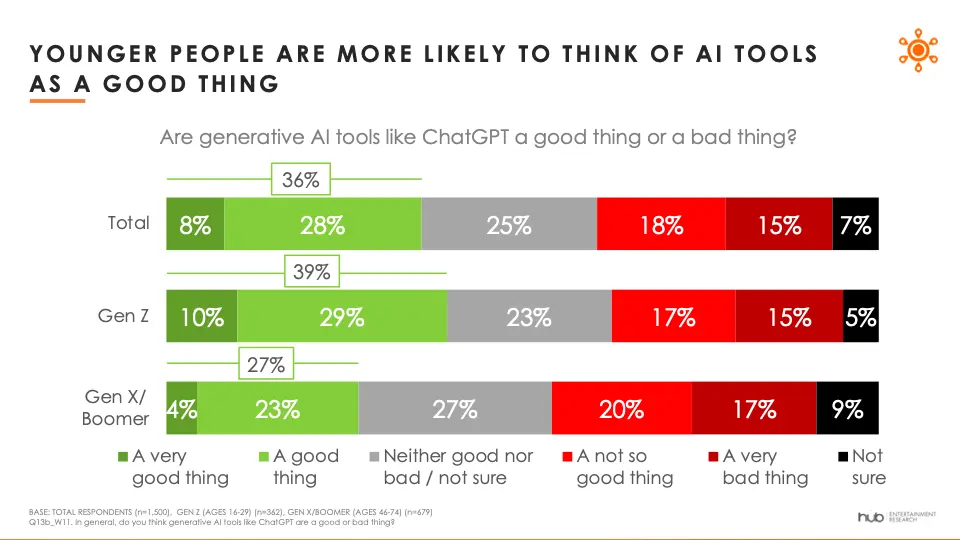
AI tools that improve the ad experience are welcome, especially among young viewers. Gen Z are more likely than older viewers to consider generative AI tools as a positive thing.
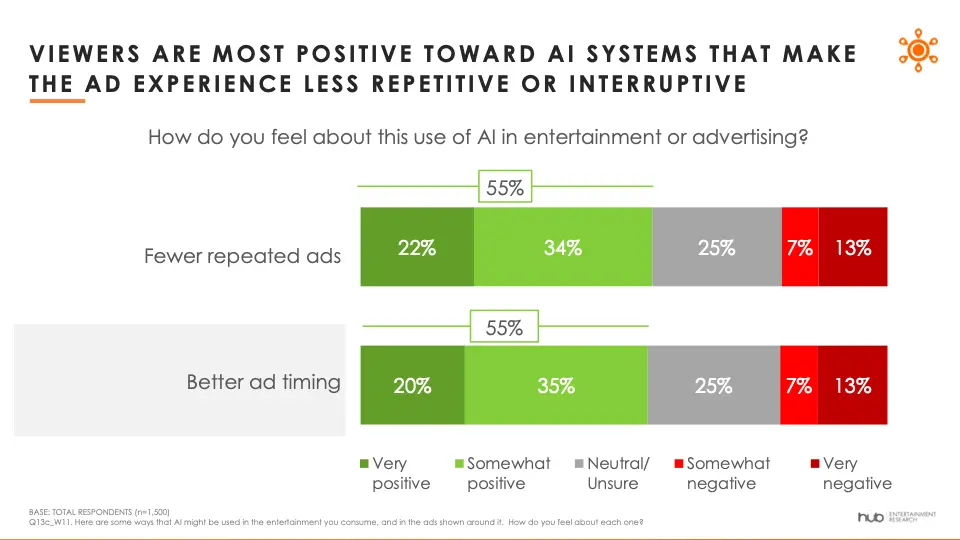
Regarding TV advertising, the majority of all viewers believe AI can be used in a positive way if it makes the viewing experience better by reducing ad repetition, or making ads feel less interruptive.
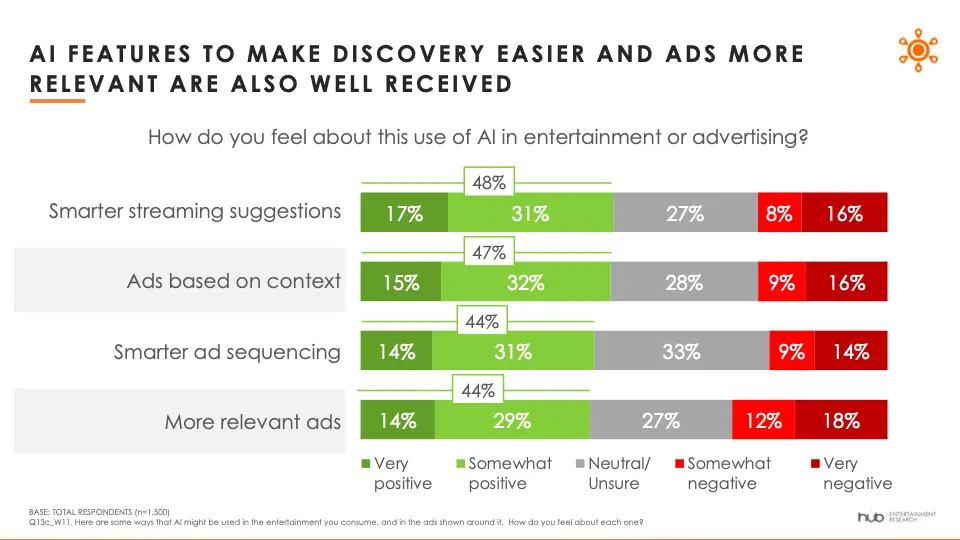
Viewers are also positive toward the use of AI if it enhances other aspects of the TV viewing experience by improving content suggestions or making ads more relevant and contextually appropriate.
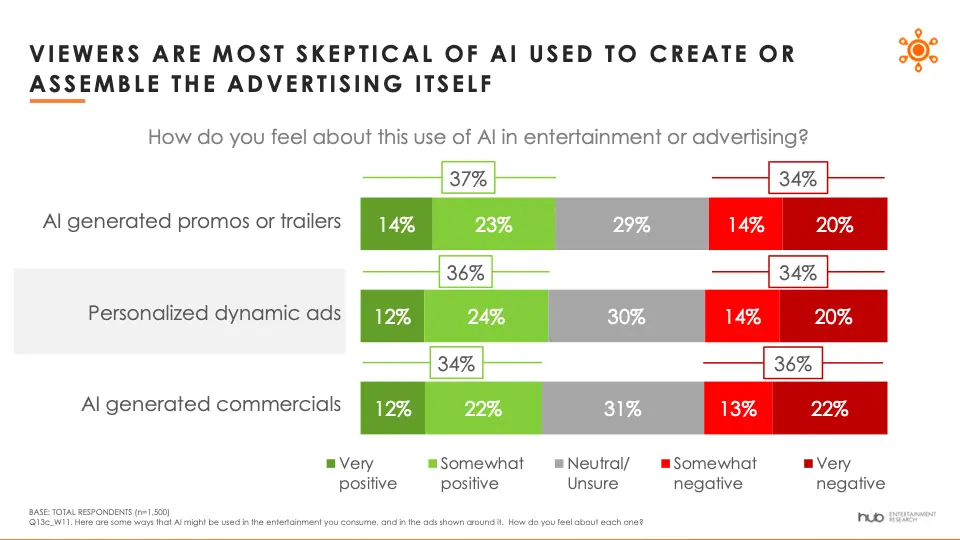
However, when it comes to the use of AI to create advertising messages, viewers are more skeptical. Over a third are somewhat or very negative toward the idea of commercials or trailers generated by AI tools.
These findings are from Hub’s 2026 “TV Advertising: Fact vs. Fiction” report, based on a survey conducted among 3,000 US consumers age 16-74, who watch at least 1 hour of TV per week. Interviews were conducted in April, 2026 and explored consumers’ attitudes toward advertising, how it differs across video platforms, and how ad strategy affects viewer engagement. A free excerpt of the findings is available on Hub’s website. This report is part of the “Hub Reports” syndicated report series.

