
The AI creative platform OpenArt and kids content startup, NovaLand, have announced an agreement that will see NovaLand’s animation studio use the suite of OpenArt’s creative AI tools.
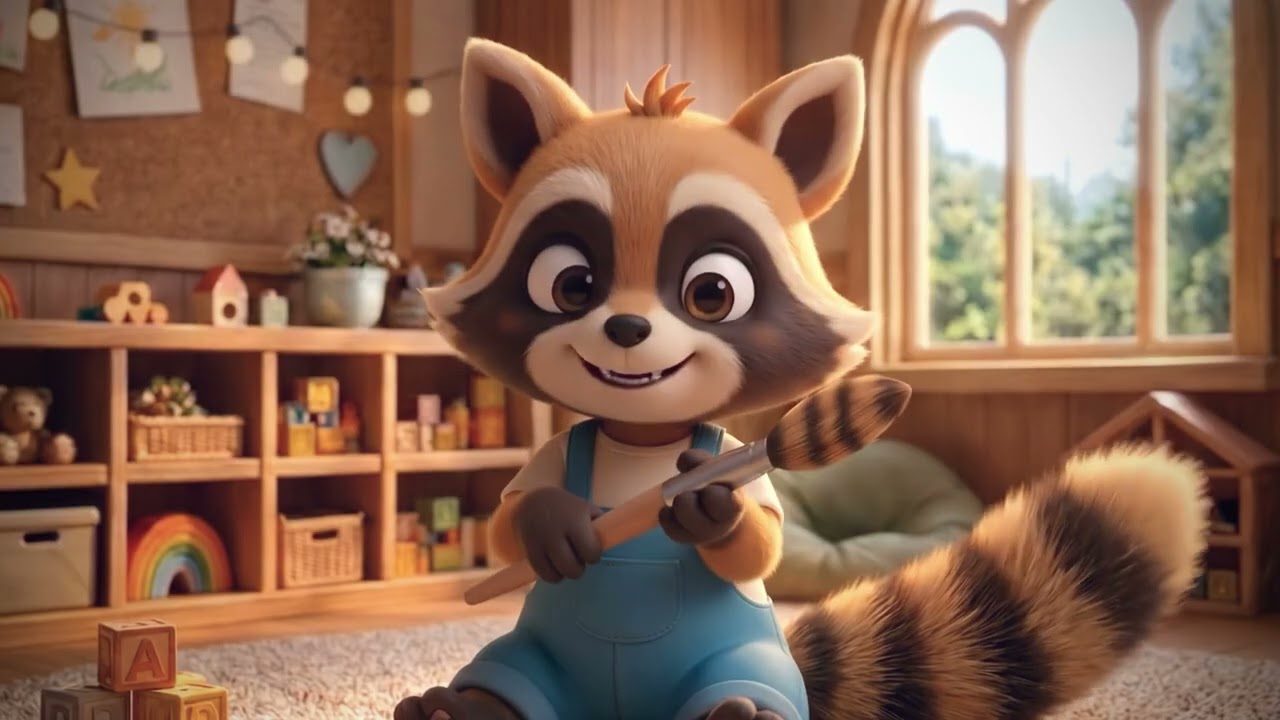
As part of the partnership, NovaLand will use OpenArt's newly launched Director platform to create high-quality animation focused on social-emotional learning for preschool and early grade audiences, both neurodivergent and neurotypical.
Some early examples of their content are focused on a major problem for parents and families: helping these younger kids transition from screentime.
“At NovaLand, we believe every child deserves stories that don't just entertain them, but also help them grow. OpenArt is helping us achieve our goal of creating content that helps children navigate big emotions and gives families practical support during some of their most challenging everyday moments,” explained Helena Shi, co-founder and CEO of NovaLand, which is a member of the Harvard Innovation Labs and a Novab Social Impact Fellow. “It is helping us build an entirely new production workflow that allows a small team to create cinematic-quality content faster than ever before on a fraction of the budget traditional animation requires. For an impact-driven startup like ours, OpenArt enables us to contribute something truly meaningful to the communities we serve”
“We are passionate about mental health and wellbeing, especially when it comes to little ones,” added Ermin Monzon, head of content and education at OpenArt, said. “We are gratified to partner with NovaLand, who is not only utilizing our tool creatively, but also making a difference for so many families.”
NovaLand’s production team is led by award-winning director William Lau (Emmy Award-winning series The Last Kids on Earth, Barbie, Batwheels, My Little Pony) and CTO Cheng Zhao (former Tech Lead at Meta). The first episodes from NovaLand can be viewed on YouTube here.
NovaLand aims to build the next generation of children's media, using original stories designed to help children develop emotional skills through characters they love. In its content it is paying particular attention to one of the most challenging moments for families, the transition off screens.
To address that issue, NovaLand combines storytelling with child-development expertise and evidence-backed design to create content for both neurodivergent and neurotypical families. The company is currently collaborating with clinics, neurodivergent organizations, and educational partners to bring its stories to families.
OpenArt Director, OpenArt debuted last month, enables longer-form AI storytelling to become conversational rather than prompt-based.

Through the platform’s “vibe directing” interface, creators simply describe the feeling, story, characters, set environments, and pacing, and then OpenArt Director renders it to life, in whatever genre the user wants, from live-action realism to numerous animation styles.
After generation, users continue directing through conversation, editing scene by scene to make targeted changes without the video being regenerated from scratch.
This is a notable change from other AI video tools that would recreate the entire piece when edits were made, frequently changing key details like character appearance or settings that a user didn’t want changed.
Learn more at thenovaland.com and https://openart.ai/home.

